

Air Master
Typically replies instantly
Typically replies instantly
Sustainable building design is no longer just a trend—it has become a necessity. As developers, consultants, and engineers increasingly aim for LEED (Leadership in Energy and Environmental Design) certification, the role of HVAC systems has become more critical than ever.
Among the various HVAC solutions available today, Variable Air Volume (VAV) systems stand out as a key contributor toward achieving LEED goals. Their ability to optimize energy use, enhance indoor comfort, and improve environmental performance makes them an essential part of modern green buildings.
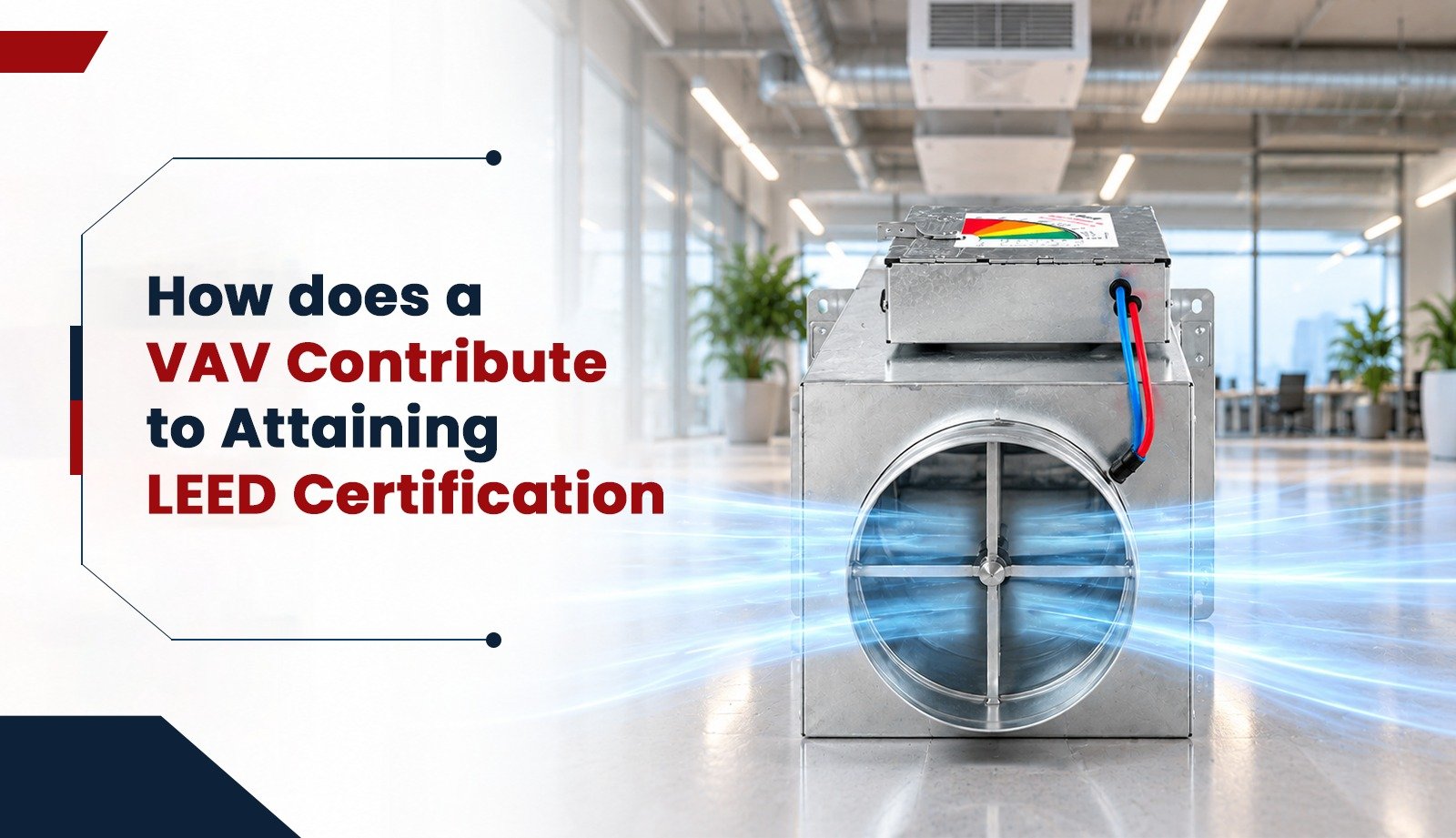
A Variable Air Volume (VAV) system is an advanced HVAC solution that regulates the amount of air supplied to different zones within a building based on real-time demand.
Unlike traditional systems that deliver constant airflow, VAV systems adjust airflow dynamically to match heating or cooling requirements.
This means:
VAV systems are widely used in commercial buildings, offices, hospitals, and large infrastructure projects where load requirements vary throughout the day.
LEED is a globally recognized green building certification system that evaluates buildings based on sustainability, energy efficiency, indoor environmental quality, and overall environmental impact.
Projects earn points across multiple categories such as:
The more points a project earns, the higher its LEED rating (Certified, Silver, Gold, or Platinum).
Energy performance is one of the most important factors in LEED certification—and this is where VAV systems make a significant impact.
VAV systems reduce energy consumption by adjusting airflow based on actual demand rather than operating at full capacity all the time.
👉 Benefits:
This directly contributes to LEED points under energy optimization credits.
Indoor air quality is another key parameter in LEED evaluation.
VAV systems:
👉 Result:
Healthier indoor environments and better occupant well-being, which helps in achieving IAQ-related LEED credits.
Comfort is not just about temperature—it’s about consistency and control.
VAV systems allow individual zones to maintain their own temperature settings, ensuring occupants experience optimal comfort throughout the building.
👉 This supports LEED credits related to:
By lowering energy consumption, VAV systems indirectly reduce greenhouse gas emissions.
Since LEED strongly emphasizes sustainability and environmental impact, this reduction plays a key role in improving a building’s overall rating.
Modern buildings rarely have uniform usage patterns. Some areas may be fully occupied, while others remain empty.
VAV systems adapt to these variations by:
👉 This intelligent operation aligns perfectly with LEED’s focus on efficiency and resource optimization.
LEED-certified buildings require high-performance HVAC systems that balance energy efficiency with occupant comfort.
VAV systems:
This makes them a preferred choice in sustainable building projects.
At Air Master, VAV systems are designed to meet the evolving demands of energy-efficient and sustainable buildings.
With a focus on performance and reliability, Air Master VAV solutions offer:
These features make Air Master VAV systems an ideal choice for projects targeting LEED certification, including:
As sustainability standards continue to evolve, HVAC systems must do more than just provide heating and cooling.
They must:
VAV systems successfully address all these requirements, making them a critical component in green building design.
Achieving LEED certification requires a thoughtful approach to building design—and HVAC systems play a central role in this journey.
Variable Air Volume (VAV) systems contribute significantly by improving energy efficiency, enhancing indoor air quality, and supporting sustainable operations.
For consultants, builders, and engineers, integrating VAV systems is not just a technical upgrade—it’s a strategic step toward creating smarter, greener, and future-ready buildings.
With Air Master’s advanced VAV solutions, you can move closer to achieving your sustainability goals while delivering reliable performance and long-term value.