


Air Master
Typically replies instantly
Typically replies instantly
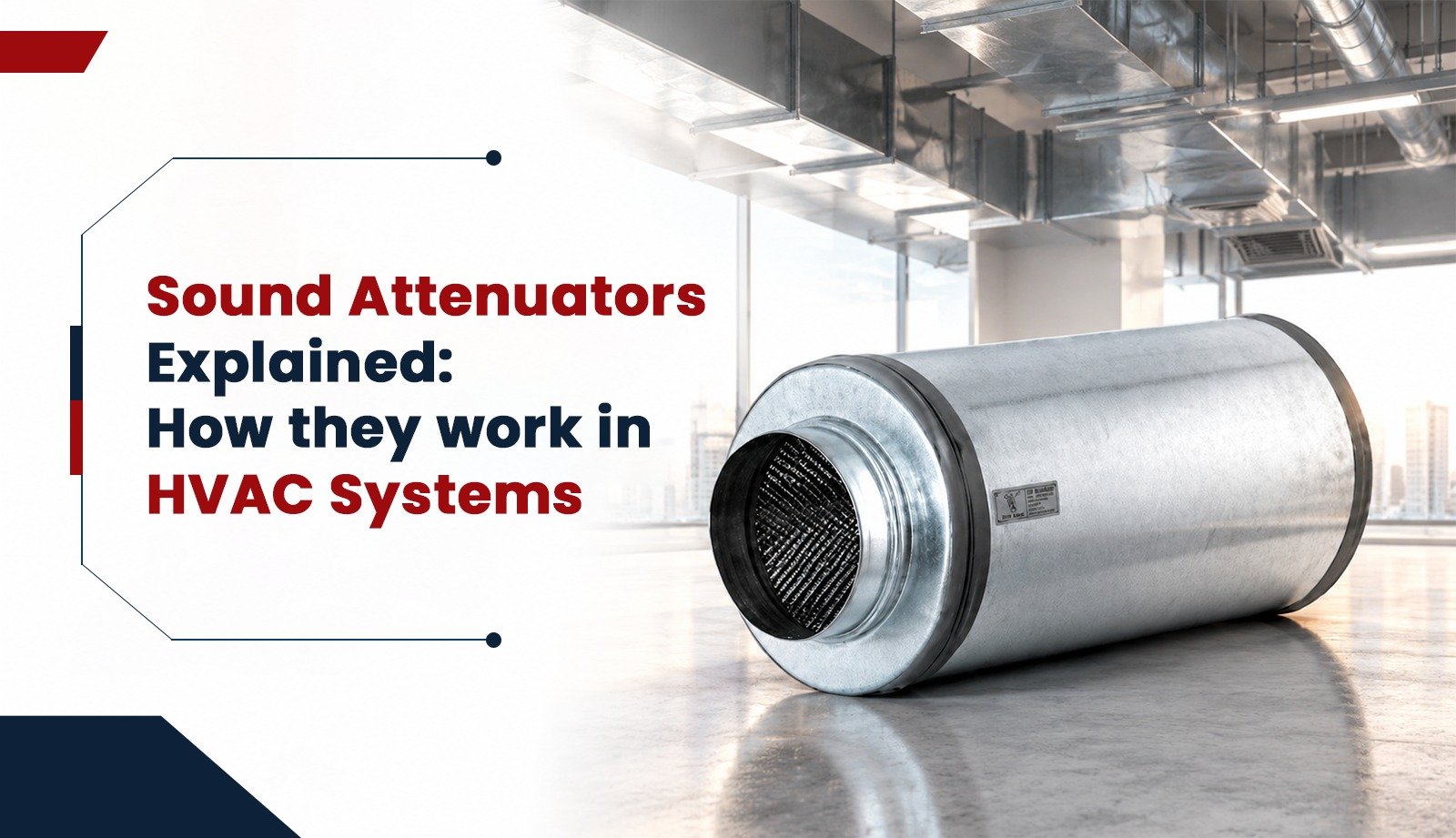
When we think about HVAC systems, temperature control is usually the first thing that comes to mind. But true indoor comfort goes beyond heating and cooling—it also includes maintaining a quiet and peaceful environment.
In many commercial and industrial spaces, HVAC systems can generate unwanted noise due to airflow, mechanical operations, and vibrations. This is where sound attenuators play a crucial role.
Designed to reduce noise without affecting airflow, sound attenuators are an essential component in modern HVAC systems.
Sound attenuators, also known as duct silencers, are specialized acoustic devices installed within HVAC ductwork to reduce noise transmission.
Their primary purpose is to:
Unlike basic insulation, sound attenuators are engineered to absorb and control sound energy effectively while maintaining airflow efficiency.
HVAC noise may seem like a minor issue, but in reality, it can significantly impact comfort and productivity.
Common sources of HVAC noise include:
If not controlled, this noise can travel through duct systems and become noticeable in indoor spaces.
This is especially critical in environments like:
Sound attenuators are designed using advanced acoustic principles to reduce noise while allowing air to pass through efficiently.
Inside the attenuator, acoustic materials such as fiberglass or mineral wool absorb sound waves.
As air carrying noise enters the attenuator:
This process significantly lowers noise levels without affecting air quality.
Sound attenuators contain internal baffles or partitions that force sound waves to change direction multiple times.
This helps in breaking the direct path of noise transmission through ducts.
High-speed airflow often creates turbulence, which contributes to noise.
Well-designed sound attenuators:
👉 Result: quieter operation and improved HVAC performance.
Depending on the application and duct design, different types of sound attenuators are used:
Each type is designed to meet specific airflow and acoustic requirements.
To achieve maximum effectiveness, sound attenuators are typically installed at key noise-generating points:
Strategic placement ensures optimal noise reduction across the system.
Creates quieter indoor environments, enhancing occupant experience.
Reduces distractions in offices, classrooms, and workspaces.
Maintains airflow efficiency while controlling noise.
Helps meet acoustic regulations in commercial and industrial projects.
Suitable for hospitals, offices, theatres, data centers, and more.
At Air Master, sound attenuators are engineered to deliver high acoustic performance without compromising airflow efficiency.
Air Master solutions offer:
These high-performance sound attenuators are ideal for projects where both acoustic comfort and system efficiency are critical.
Selecting the right sound attenuator depends on several factors:
Working with an experienced manufacturer ensures that the solution is tailored to your project’s specific needs.
In modern buildings, comfort is not just about temperature—it’s also about sound.
Sound attenuators play a vital role in creating quieter, more comfortable indoor environments by reducing HVAC noise at its source. Through advanced acoustic design, they absorb, disrupt, and control sound without affecting system performance.
For engineers, consultants, and builders, integrating sound attenuators is a smart step toward delivering high-quality HVAC solutions.
With Air Master’s high-performance sound attenuators, you can achieve the perfect balance between efficient airflow and acoustic comfort.