


Air Master
Typically replies instantly
Typically replies instantly
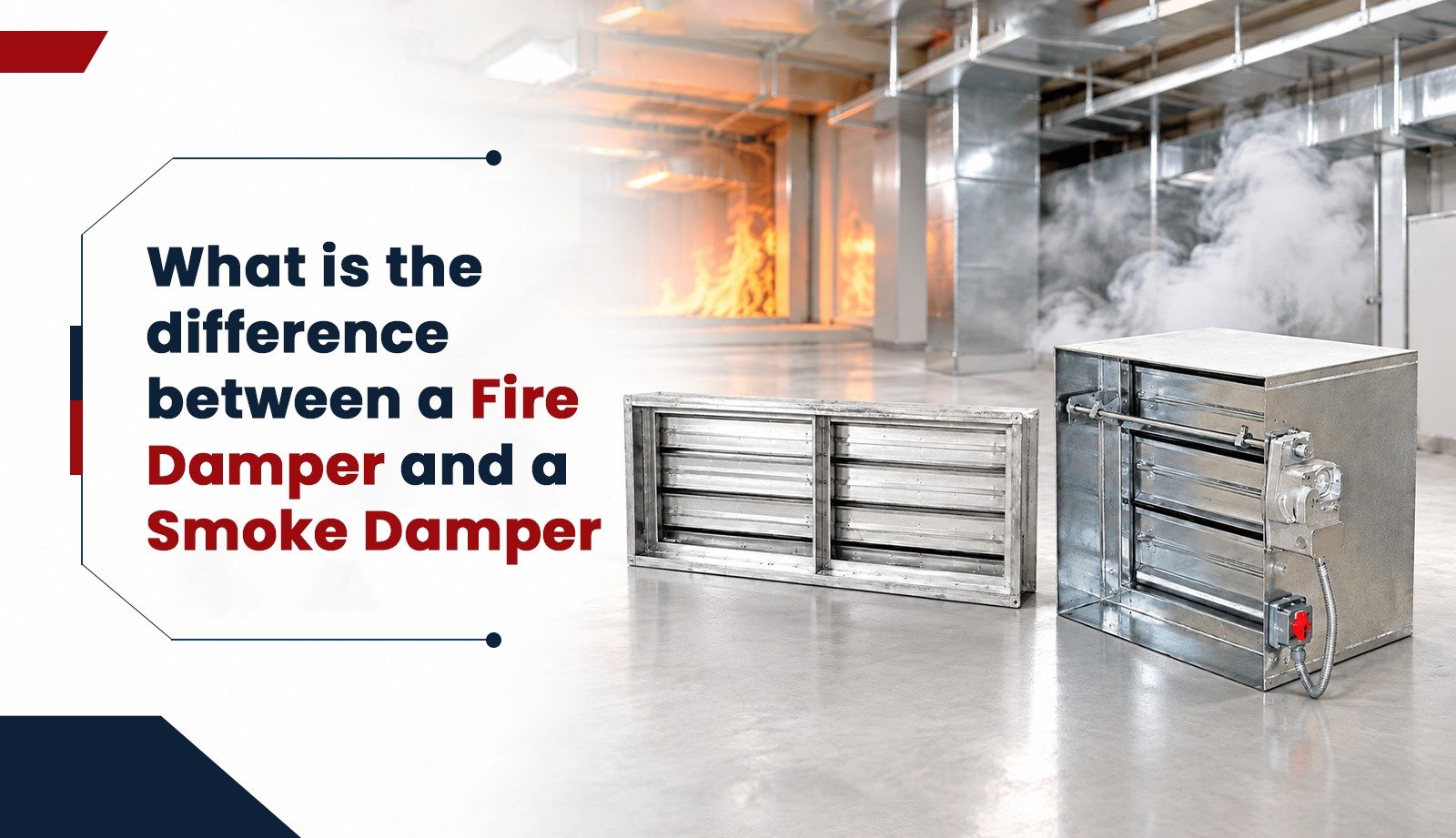
Fire safety in modern buildings is not limited to alarms and sprinklers. HVAC systems also play a major role in controlling how fire and smoke move through a structure. Two critical components used for this purpose are fire dampers and smoke dampers. While they may look similar, they perform very different functions and are both essential for building safety.
At Air Master, we provide dependable HVAC safety solutions that help protect people, property, and infrastructure. Understanding how fire and smoke dampers work—and how they differ—can help you choose the right protection for your HVAC system.
What Is a Fire Damper?
A fire damper is installed inside HVAC ductwork where it passes through fire-rated walls or floors. Its main purpose is to prevent flames and hot gases from spreading from one area of a building to another.
Fire dampers operate mechanically. When temperatures rise during a fire, a fusible link melts and releases the damper blade, causing it to close automatically. This action blocks the duct opening and helps contain the fire within a specific zone. Fire dampers are especially important for maintaining fire compartmentation, which slows the spread of fire and gives occupants more time to evacuate safely.
What Is a Smoke Damper?
A smoke damper is designed to control the movement of smoke through HVAC ducts. Unlike fire dampers, smoke dampers are motorized and activated by smoke detectors or a building’s fire alarm system.
When smoke is detected, the damper closes to prevent it from traveling into other rooms or floors. This helps protect escape routes, keeps visibility clearer, and reduces exposure to toxic fumes. Smoke dampers are commonly installed in return air ducts, exhaust systems, and areas that separate smoke zones.
Key Differences Between Fire Dampers and Smoke Dampers
Although both dampers are used for safety, they function in different ways:
Each damper addresses a different hazard, which is why both are often required in commercial and institutional buildings.
Do You Need Both in Your HVAC System?
In most modern buildings, the answer is yes. Fire and smoke behave differently during emergencies, and controlling both is essential for complete life safety.
Fire dampers slow the spread of flames and heat, while smoke dampers prevent smoke from filling corridors, stairwells, and occupied spaces. Together, they help protect people, limit property damage, and support safer evacuation.
Some HVAC systems also use combination fire and smoke dampers, which provide dual protection in a single unit.
Why This Difference Matters
Many people assume that fire protection alone is enough, but smoke often causes more injuries than flames. Smoke spreads quickly, reduces visibility, and contains harmful gases. Without proper smoke control, evacuation becomes dangerous—even if the fire itself is contained.
That’s why using the right damper for the right purpose is critical. Fire dampers and smoke dampers work together to create a safer indoor environment during emergencies.
Conclusion
Fire dampers and smoke dampers may look similar, but they serve distinct and equally important roles in HVAC safety. Fire dampers stop flames and heat, while smoke dampers prevent smoke from spreading through ductwork. Both are essential for protecting lives, property, and building integrity.
At Air Master, we offer high-quality fire dampers and smoke dampers that meet safety standards and building code requirements. Whether you’re designing a new HVAC system or upgrading an existing one, our solutions help ensure reliable fire and smoke protection.
👉 Learn more about our fire safety products here:
https://airmaster.co.in/fire-dampers-for-effective-hvac-fire-protection/
Air Master — Smart HVAC Safety Solutions for Safer Buildings